May
15
1:30 PM13:30
Toward a Theory of Nuclear Listening
Steven Larsen Distinguished Lecture Series
University of Oregon
May 15, 2026
University of Oregon
May 15, 2026
Research Laboratory Facilitator
American Association of Teachers of Slavic and East European Languages
New Orleans, LA
February 19-22, 2026
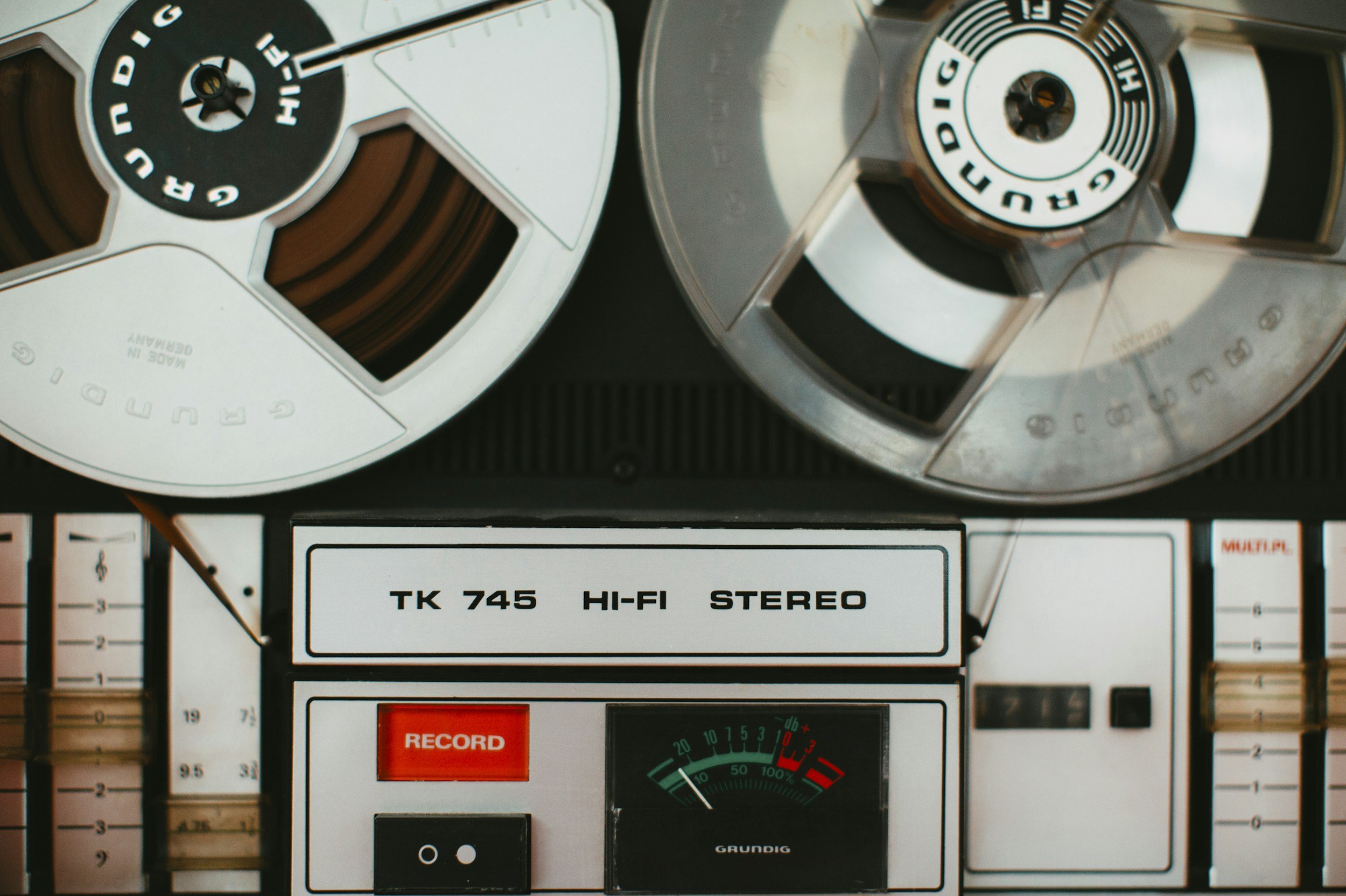
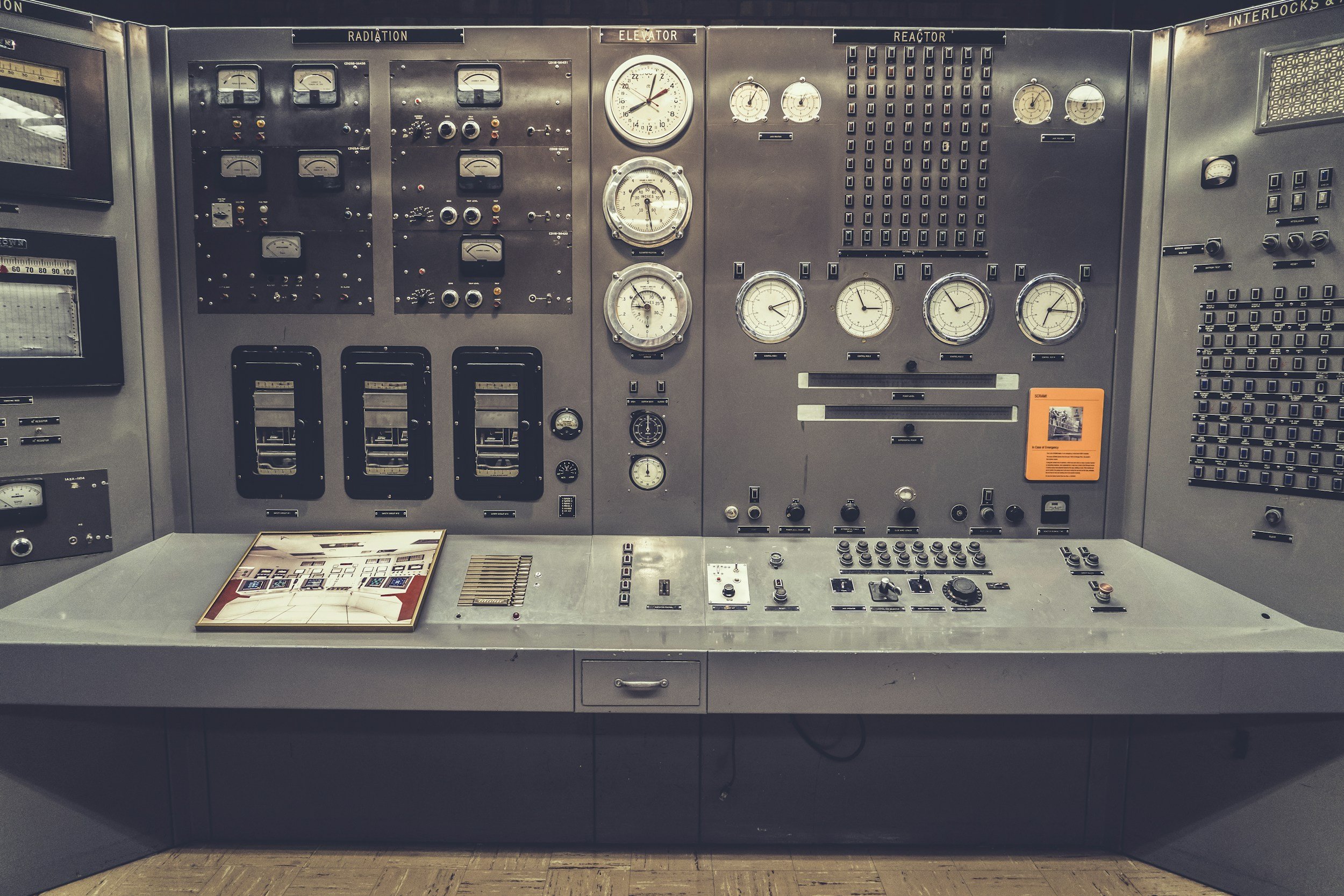
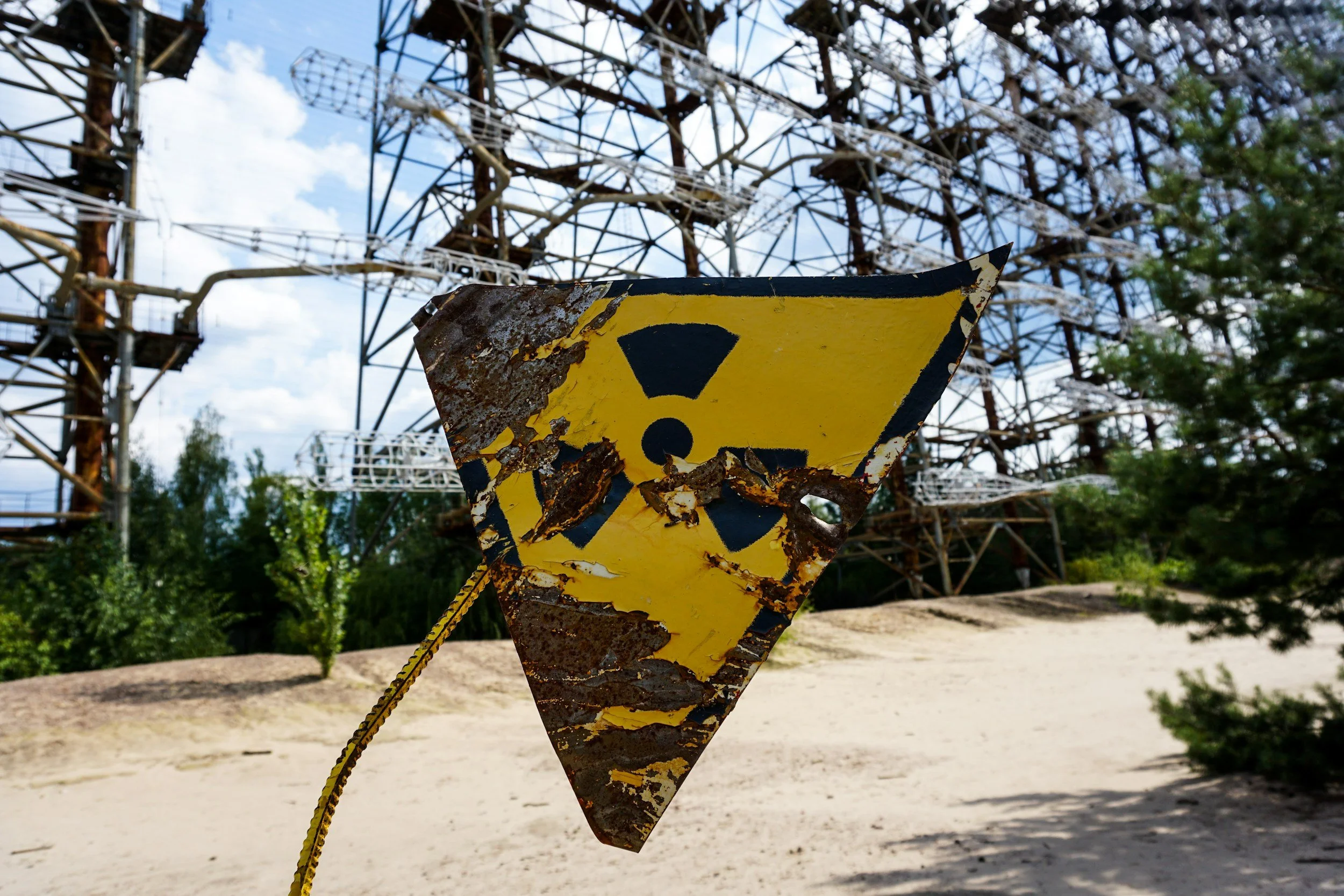
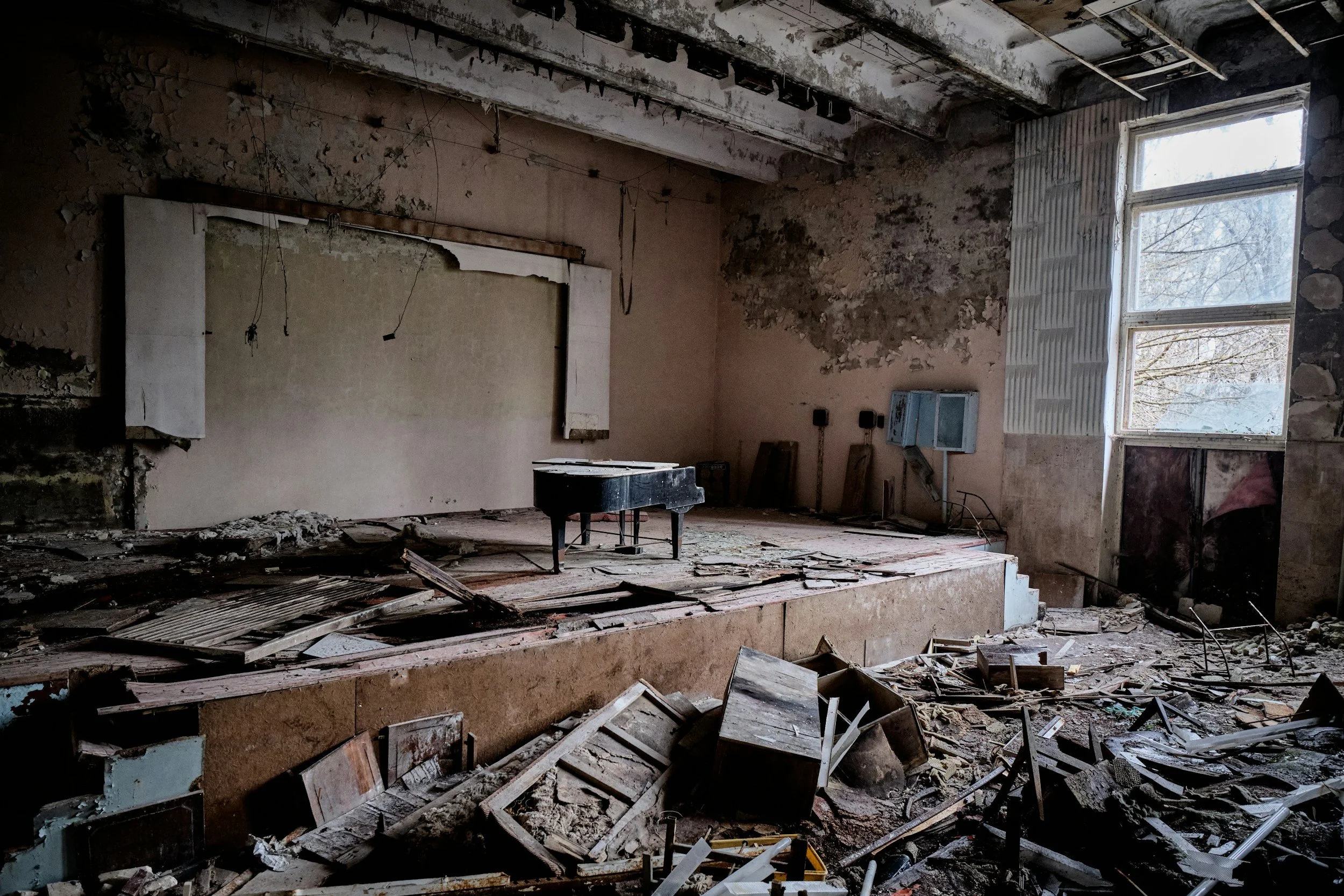
In this talk, I use the Chernobyl disaster as a starting point to set sound studies into dialogue with the “deep history” of radiation and nuclear arms testing in the twentieth century. Weaving together archival documents, oral history, and artistic examples, I argue that scientists, musicians, and government bureaucrats alike turned to sounds—not visuals—to measure and better understand the atom’s potential in the Soviet Union and United States. I position radiation as a “hyperobject” (Morton 2013): an object that is so vast and immeasurable that it defies interpretation. As something both incomprehensible in scope and invisible to the human eye, radiation intersects with audile techniques in ways that help to illuminate changing epistemologies and political ecologies during the Cold War. Ultimately, this paper asks what listening to Chernobyl can teach us about our tenuous atomic present and ever-encroaching nuclear futures.
University of Pittsburgh
February 6-7, 2026
In this talk, I use the Chernobyl disaster as a starting point to set sound and music studies into dialogue with the deep history of radiation and nuclear arms testing in the twentieth century. Weaving together archival documents, oral history, and musical examples, I show how scientists, bureaucrats, artists, and ordinary citizens alike turned to sound to measure and better understand the atom’s potential in the Soviet Union and United States. I position radiation as a “hyperobject” (Morton 2013): an object that is so vast and immeasurable that it defies interpretation. As something simultaneously both incomprehensible in scope and invisible to the human eye, radiation intersects with audile techniques in ways that help to illuminate changing epistemologies and political ecologies during the Cold War. Listening to the atom, I argue, challenged historical actors to recalibrate their understandings of science, empiricism, and geopolitics. I start with the thesis that radiation is itself an agent of sound and, moving from there, map a series of moments in nuclear and musical history in which a critical, affective ear to radiation might tell new stories about the atomic age. I ultimately want to end by asking what listening to the atom might teach us about our tenuous ecological present and ever-encroaching nuclear futures.